Unlocking the Potential of Your Canine Companion: Effective Training Techniques for Service and Performance Dogs
In the world of canine companions, unlocking the potential of your furry friend begins with mastering essential obedience training techniques, especially for assistance and performance dogs. These remarkable animals not only serve as loving pets but also fulfill crucial roles in our society as service animals. Imagine a dog that can detect a drop in blood sugar, or one that can navigate through debris to find a missing person—this is the reality of skilled training and an unbreakable bond with their handlers. Are you ready to dive into the art of training your canine companion?
When it comes to obedience training, clear communication is vital. Canine communication goes beyond commands; it involves understanding your dog's body language, their reactions, and establishing a strong rapport. As you engage in interactive play, ensure that you are patient and consistent. For example, a practice session involving simple commands like 'sit,' 'stay,' or 'come' can be made more engaging through positive reinforcement—think treats or affectionate praise. What strategies do you currently use to communicate with your dog?
Behavior modification is a crucial aspect of pet ownership that allows you to shape your dog's behavior positively. Whether you're working with a new pup or enhancing the skills of a performance dog, using different training techniques tailored to their unique personalities can lead to success. Breeding programs often focus not just on physical traits but behavioral traits that suit specific tasks. By understanding your dog's individual needs, you create a customized training plan that builds confidence and encourages obedience. How have you adapted your training to fit your dog's personality?
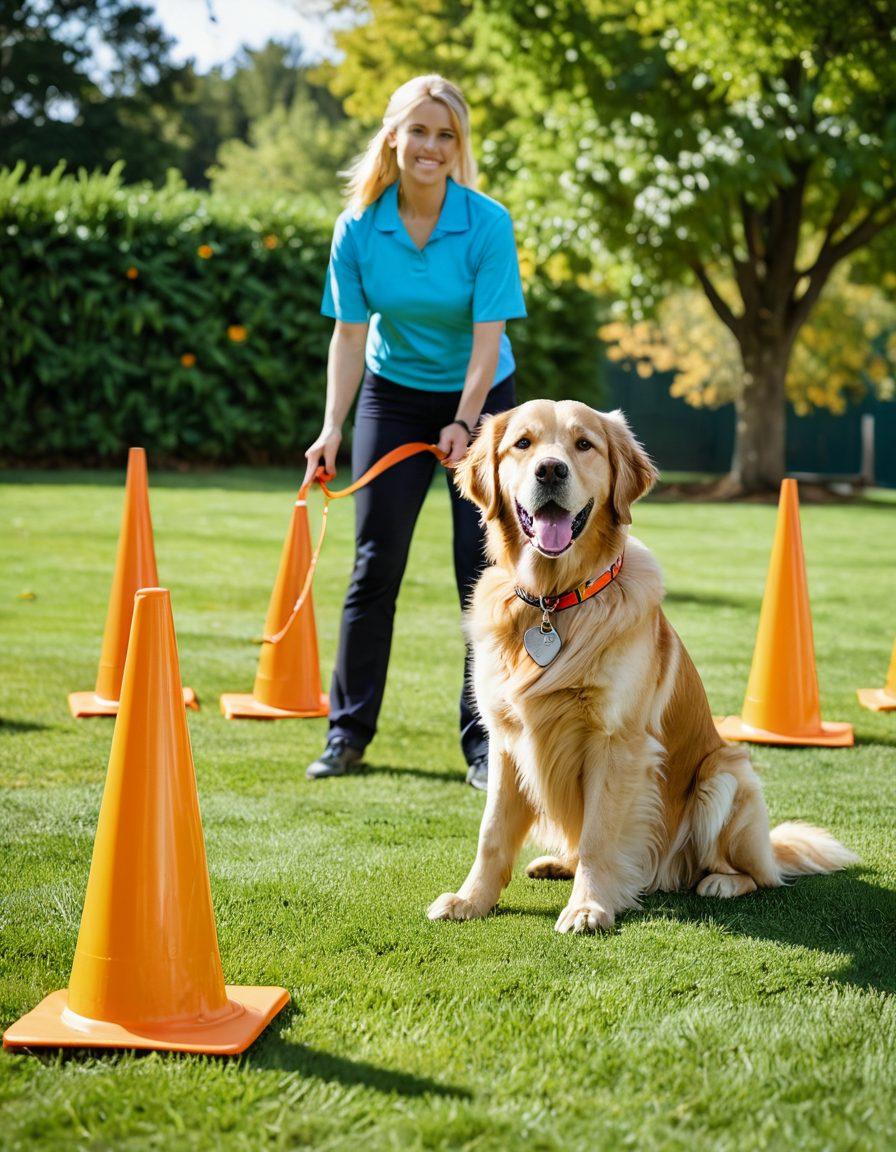
A significant part of mastering obedience is ensuring your dog is physically fit and mentally stimulated. Canine fitness plays a crucial role in maintaining not just their health, but also their enthusiasm for training. Incorporate activities like agility courses or tracking exercises into your routine; this will foster an environment of dog performance that speaks to both their instincts and intellect. Have you considered how dog sports could enhance your dog's obedience and socialization? Visit local dog training groups or clubs to discover additional enrichment activities.
Lastly, as we explore the commitment of dog care, it’s vital to recognize that training doesn’t end with a single command. It's an ongoing journey that includes regular dog grooming, puppy socialization, and building a supportive atmosphere for your working canine. With every successful command and behavioral cue, you lay the groundwork for a reliable assistance dog or a champion performance dog in dog sports. Remember, the bond formed through dedicated training creates a trustworthy partnership that reaps rewards both in the home and out in the world. What will your next step be in enhancing your dog's training experience?
The Art of Communication: Strengthening the Bond with Your Canine Companion
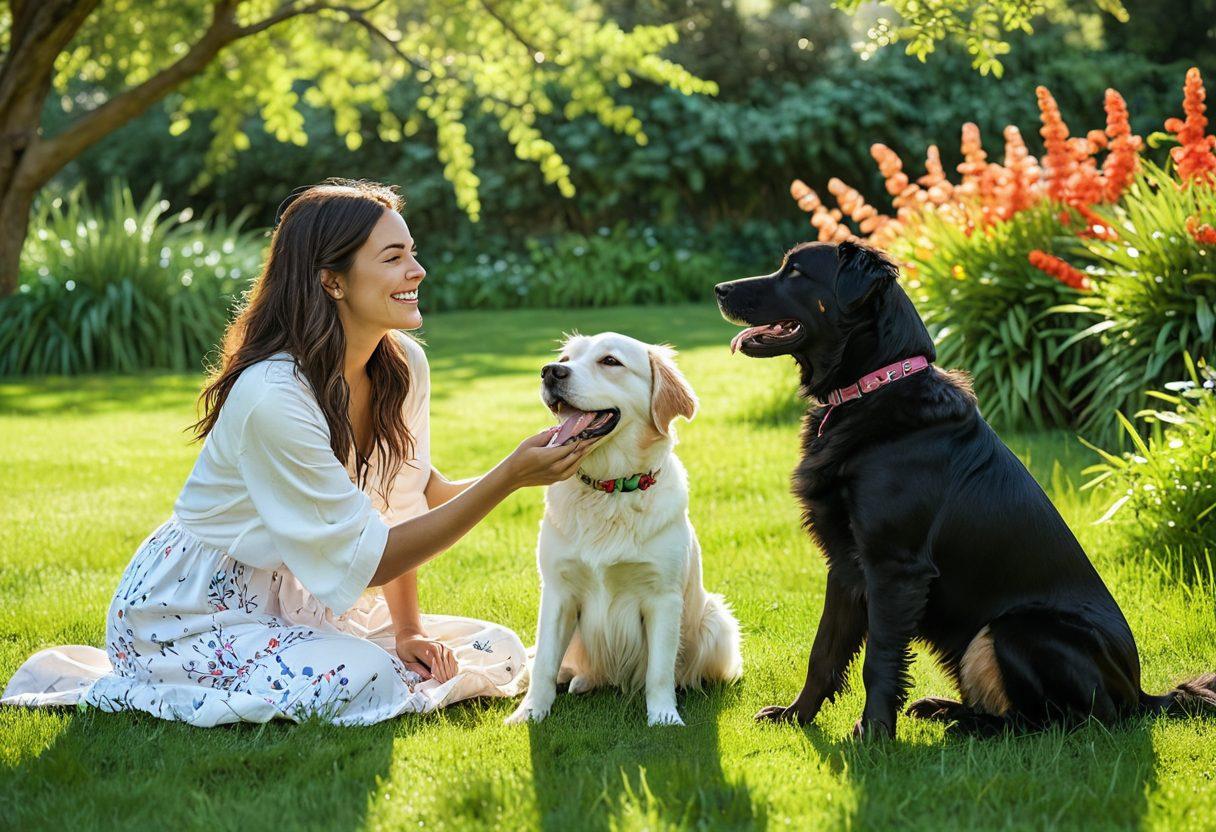
Imagine being able to communicate seamlessly with your canine companion, forging a bond so strong that it transcends verbal language. This enchanting connection is not merely a dream—it is the result of effective training techniques and understanding the art of canine communication. Service animals, assistance dogs, and performance dogs, whose abilities are honed through specialized training, remind us that our four-legged friends possess an incredible potential waiting to be unlocked. In this blog, we will explore how strengthening this bond through solid communication can lead to a harmonious relationship between pet owners and their canine companions.
As anyone who has ever entered into a pet ownership journey knows, the joys and challenges of sharing a life with a dog are profound. With the right obedience training and behavior modification techniques, you can enjoy the ultimate companionship while also preparing your dog for various roles, from dog sports to search and rescue missions. This begs the question: What can we do to transform our household pet training into a rewarding and effective process? The answer lies in understanding canine communication. Just as humans express feelings through words, dogs communicate through body language, vocalizations, and even facial expressions. Quite captivating, isn’t it?
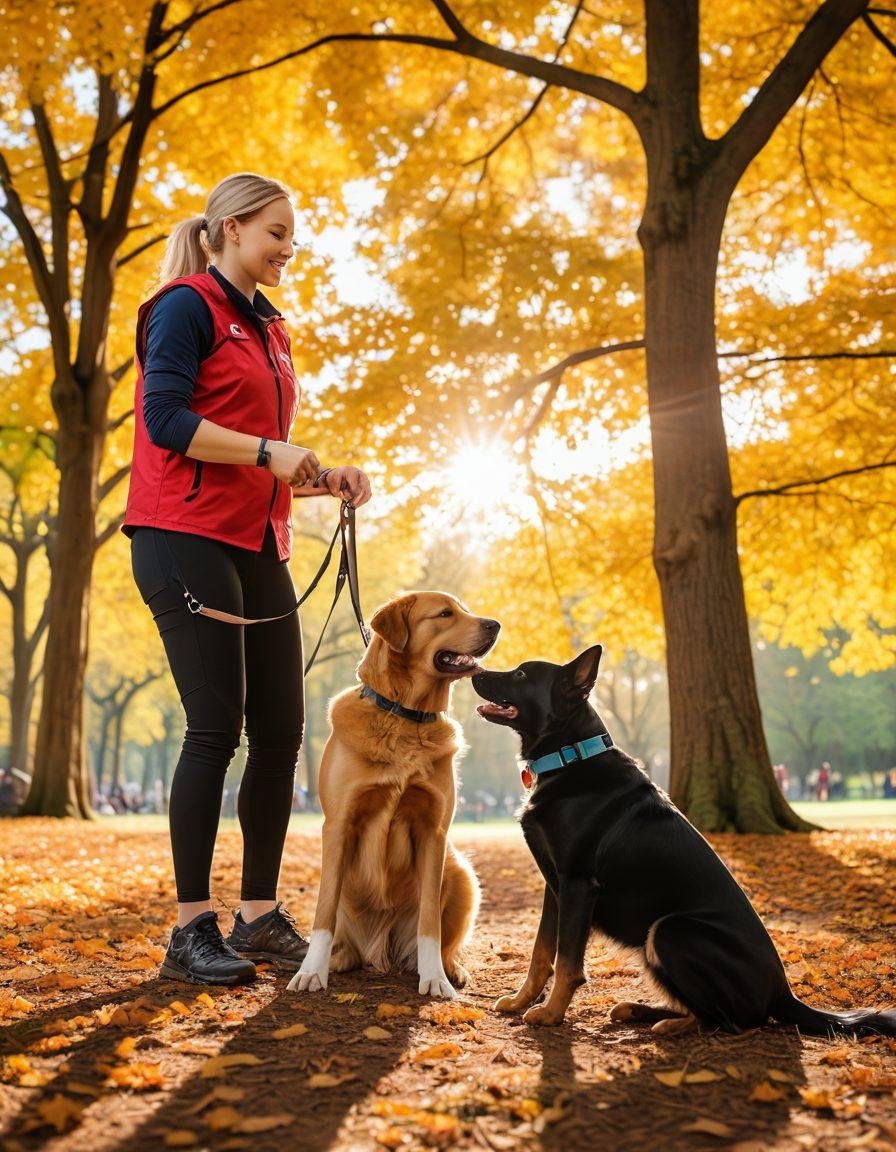
Picture this: you’re in the park, watching your dog frolic with other canines, perfectly attuned to your presence. He knows a glance, a hand gesture, or even your breath signals a command. This level of understanding doesn’t happen overnight. It’s the culmination of dedicated training techniques, continuous patience, and engaging interactive play that fosters such a connection. And what’s more? The right handler training can also ensure your dog thrives in various environments, excelling as a working canine or a top-tier performance dog. As you embark on this journey, remember this quote from renowned dog trainer Cesar Millan: “Understanding dogs is like building a bridge of communication.”
Let’s delve deeper into how you can enrich your canine companion’s life. Training techniques should incorporate elements of canine fitness and dog enrichment to keep them mentally and physically stimulated. Whether you’re working with tracking dogs, competitive dog training, or participating in dog sports, it’s essential to remember that each engagement further cements your relationship. Socialization plays a vital role in this aspect as well—introducing your dog to various environments can help them feel secure and confident, making training sessions smoother and more effective. Amidst this, don’t forget the importance of dog grooming and overall dog care in maintaining their welfare, which sadly sometimes gets overlooked amidst training schedules.
Finally, let's focus on the heart of it all: love and patience. While training, remember that both you and your dog will have your ups and downs. It’s essential to keep open lines of communication. Have you ever paused mid-training session, looked your dog in the eyes, and recognized the brilliance and loyalty they offer you every single day? Take that moment in. Embrace the journey, as the bond between human and dog is one built on trust, understanding, and mutual respect. In the words of author Jon Katz, “Dogs are not our whole life, but they make our lives whole.” So as you nurture your canine companion through training, celebrate the milestones together and relish the incredible connection that develops over time.
From Household Pet to Working Canine: Navigating Training for Success and Enrichment
Have you ever looked into the soulful eyes of your household pet and wondered if they were destined for something greater? Many pet owners dream of transforming their beloved companions into service animals or performance dogs, contributing to society in ways that inspire awe and respect. In this journey from household pet to working canine, the path is filled with challenges, opportunities, and a wealth of knowledge about effective training techniques that can unlock a dog's true potential. After all, behind every amazing dog story, there lies the art of obedience training and the science of behavior modification.
Imagine a Golden Retriever, once a playful puppy who loved nothing more than a game of fetch in the backyard, now meticulously trained as an assistance dog, skillfully navigating urban environments. It's a journey marked by dedication and the right dog training methods. But, how do you ensure that your canine companion transitions successfully from a beloved pet to a dependable working animal? It starts with understanding the importance of canine communication and enrichment strategies, along with the necessity of tailored training programs that focus on both mental and physical fitness.
Every dog is unique, and so is their training regimen. Just as we adapt our approaches to pet care, from grooming to interactive play, the same principle applies to dog obedience and performance training. Breeding programs can play a significant role in determining a dog's potential, but it is ultimately the handlers, informed by canine behavior, who shape their future. Do you take the time to look at your dog's socialization skills? Have you tried introducing them to dog sports or activities that challenge their intellect and instincts? The thrill of tracking or search and rescue tasks can light up a dog's motivation like nothing else, turning work into play and creating a bond between the dog and its handler that is deep and rewarding.
Engagement through competitive dog training elevates not just the dog's skills, but also the handler’s ability to communicate effectively. With the right dog training techniques, obedience and performance can reach astonishing heights, making every achievement a shared victory. Let's face it – watching your dog thrive in their role, whether as a companion in therapy, a search and rescue dog, or competing in dog sports, is one of the most gratifying experiences a pet owner can have. How can you begin this transformative journey today? Start with small, achievable goals that build momentum toward larger accomplishments.
Ultimately, the key to success lies in consistent practice and unwavering patience. Training your canine companion is more than just an exercise; it's about enhancing their life while enriching yours. Involve yourself in their journey - attend handler training sessions, engage with community classes focused on obedience training, and foster an environment where dog care and enrichment flourish. For those who aspire to see their household pets become working canines, the road is not always easy, but it is undoubtedly filled with joy, learning, and above all, the profound companionship between human and dog.